Chicken and Bean Soup for Liver Health: A Comforting Bowl for Liver Support
There’s a particular kind of tired that shows up after a stretch of eating on the run — heavy, foggy, a little bloated, like your body is working overtime just to keep up with what you’ve been feeding it. I remember hitting that wall during a run of exam weeks, living on drive-through dinners and vending-machine coffee, and finally standing in my kitchen thinking: I don’t need a detox. I need to stop asking so much of my own filter.
That’s how this chicken and bean soup came together — not as a cleanse, not as a punishment, but as a bowl of food that works with your liver instead of against it.
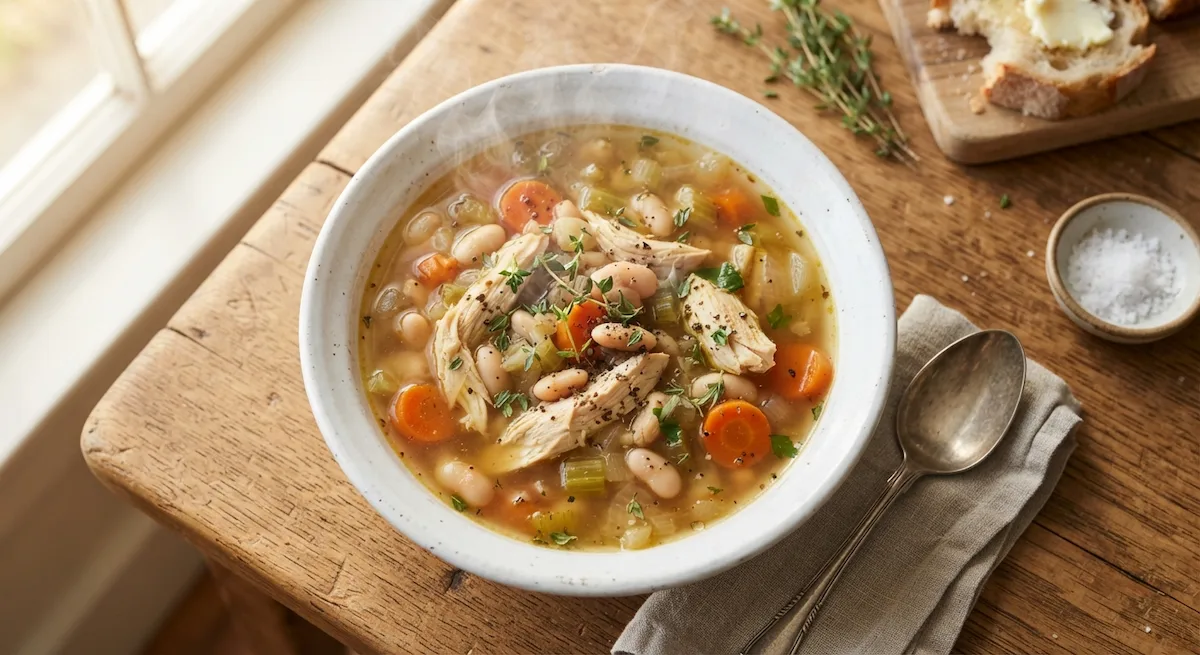
If you’ve been searching for a meal that’s genuinely comforting but also does something useful for your liver, this chicken and bean soup is built for exactly that. It’s warm, it’s simple, and every ingredient earns its place.
Table of Contents
Doctor’s Note: Why This Soup Is Liver-Friendly
Before we get to the pot, here’s the quick medical logic behind why this chicken and bean soup belongs in a liver-conscious rotation. Your liver has three big, overlapping jobs relevant to what’s on your spoon: metabolizing fat, processing protein, and regulating inflammation. Overload any one of those, and the others start to strain too.
- Low saturated fat. Chicken breast, especially skinless, carries far less saturated fat than red meat or fatty poultry cuts — and saturated fat is one of the main dietary drivers of fat buildup in liver cells.
- High soluble fiber from beans. Fiber binds bile acids and cholesterol in the gut, which reduces the recycling load your liver deals with, and it feeds the gut bacteria that influence liver inflammation through the gut-liver axis.
- Lean, complete protein. Chicken breast supplies the amino acids your liver needs for repair and enzyme production without the accompanying fat load of fattier cuts.
- Anti-inflammatory aromatics. Garlic, onion, and optional turmeric bring polyphenols and sulfur compounds that support a lower overall inflammatory tone — relevant because inflammation is what pushes simple fat accumulation toward more serious liver damage.
This isn’t about a magic ingredient. It’s about a pattern, and this chicken and bean soup happens to hit that pattern in one pot.
The Liver-Nutrition Connection in This Bowl
Think of your liver as a filtration system — constantly screening what comes in, breaking down fats, processing proteins into usable building blocks, and neutralizing byproducts along the way. Every ingredient in this chicken and bean soup plays a specific role in keeping that system running smoothly rather than clogging it.
What Chicken Breast Brings to the Table
Skinless chicken breast is about as lean as animal protein gets. Compared to fattier cuts of red meat, it delivers a similar protein punch with a fraction of the saturated fat — and that matters because a diet high in saturated fat directly impairs liver function and promotes inflammation. Choosing chicken breast for this chicken and bean soup isn’t an arbitrary preference; it’s a practical way to keep protein on the plate without adding to your liver’s fat-processing workload.
What White Beans Bring to the Table
White beans are the quiet workhorse of this chicken and bean soup. Their soluble fiber binds to bile acids in your digestive tract, which your liver then has to produce more of — a process that, over time, helps pull cholesterol out of circulation. Beans also contain resistant starch that feeds beneficial gut bacteria, and a healthier gut microbiome is increasingly linked to lower liver inflammation through what researchers call the gut-liver axis.
Ingredient Swap: Lower-Sodium Beans
If you’re watching sodium, rinse canned white beans thoroughly under running water before adding them — this alone can cut a meaningful chunk of sodium — or cook dried beans from scratch for full control.
Aromatics as Anti-Inflammatory Support
Garlic and onion aren’t just flavor — they contain sulfur compounds and polyphenols associated with lower inflammatory markers. If you add turmeric, you’re bringing curcumin into the mix, a compound studied for its anti-inflammatory properties, though it’s worth being realistic: a pinch in your chicken and bean soup is a supportive habit, not a treatment.
A Turmeric Note
Curcumin is poorly absorbed on its own. Pairing turmeric with a crack of black pepper (which contains piperine) and a bit of the soup’s fat from olive oil meaningfully improves absorption.
Why Fiber Matters for a Sluggish Filter
Fiber doesn’t get nearly enough credit in liver conversations, but the research is fairly consistent. A 2020 study using National Health and Nutrition Examination Survey data found that adults with the highest total fiber intake had substantially lower odds of NAFLD than those with the lowest intake, with fiber from cereal, fruit, and vegetable sources all showing similar protective associations. A separate 2023 study published in Frontiers in Public Health found that higher dietary fiber intake was associated with lower odds of NAFLD and clinically significant liver fibrosis, as well as better liver function measures.
Most people fall short of daily fiber targets without really noticing — it’s an easy gap to miss when meals are grab-and-go. A bowlful of this chicken and bean soup, thanks to the beans, closes a good part of that gap in one sitting, which is a big part of why This particular combination makes it a worthwhile choice for a liver-friendly meal rotation.
Why Lean Protein Is Easier on the Liver
Protein itself isn’t the liver’s enemy — your liver actually depends on adequate protein for tissue repair, enzyme synthesis, and maintaining healthy blood proteins like albumin. The issue is what protein tends to arrive with. Fattier cuts of meat bring along more saturated fat, and that’s the piece your liver has to work harder to process.
Mayo Clinic’s guidance on fatty liver disease specifically recommends building meals around lean proteins as part of a Mediterranean-style eating pattern rich in fruits, vegetables, and healthy fats, and other clinical diet guidance for liver disease describes lean poultry and legumes as protein sources that support tissue repair without the saturated-fat burden of fattier meats.
This chicken and bean soup checks that box twice over — lean poultry from the chicken, plant protein and fiber from the beans — which is part of why it also fits neatly into a diabetic-friendly pattern: protein and fiber together slow the rise in blood sugar after a meal, and insulin resistance is closely tied to fat accumulation in the liver.
The Recipe: Chicken and Bean Soup
Here’s the chicken and bean soup itself — straightforward, one pot, no exotic ingredients.
Ingredients
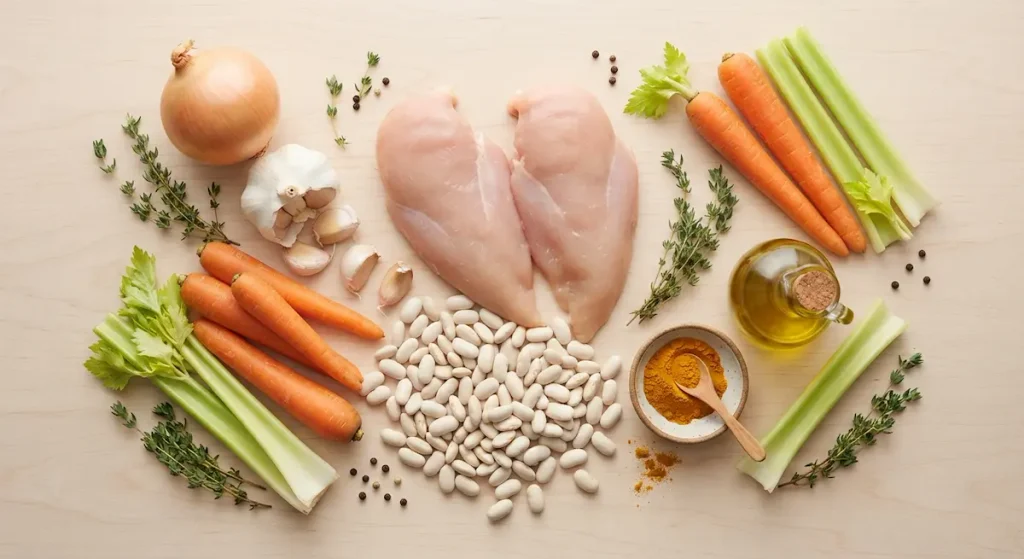
| Ingredient | Amount | Note |
| Skinless chicken breast | 1 lb (450g), cubed | Lean protein base |
| White beans (cannellini or navy) | 2 cans (15 oz each) | Rinse well if watching sodium |
| Yellow onion, diced | 1 medium | Aromatic base |
| Garlic, minced | 3 cloves | Anti-inflammatory |
| Carrots, sliced | 2 medium | Fiber and beta-carotene |
| Celery, sliced | 2 stalks | Fiber and volume |
| Low-sodium chicken broth | 6 cups | Flag: check label, aim under 140mg sodium per cup |
| Olive oil | 1 tbsp | Healthy fat for sautéing |
| Turmeric | 1/2 tsp | Optional, anti-inflammatory |
| Black pepper | To taste | Boosts turmeric absorption |
| Fresh thyme or parsley | Handful | Flavor, minimal sodium |
Step-by-Step Instructions
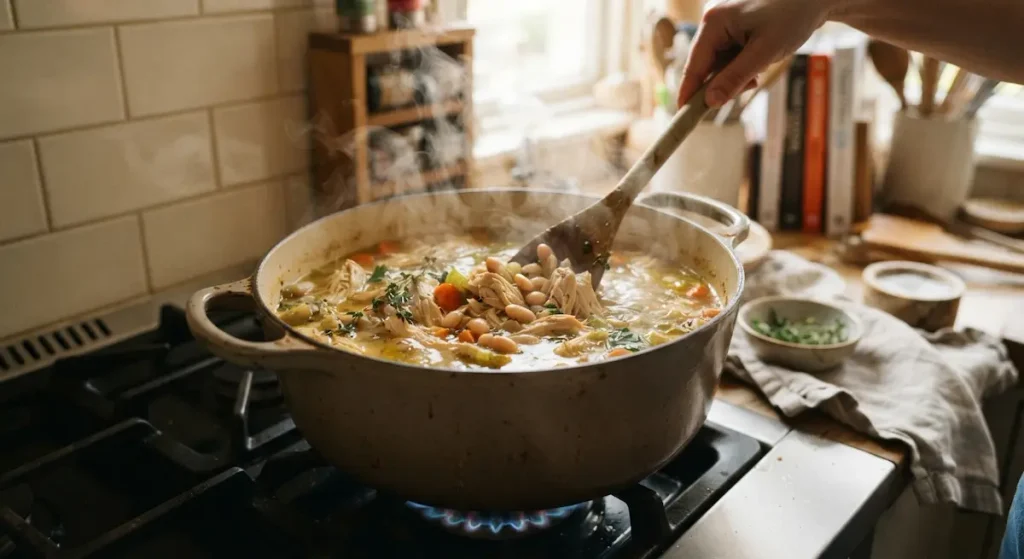
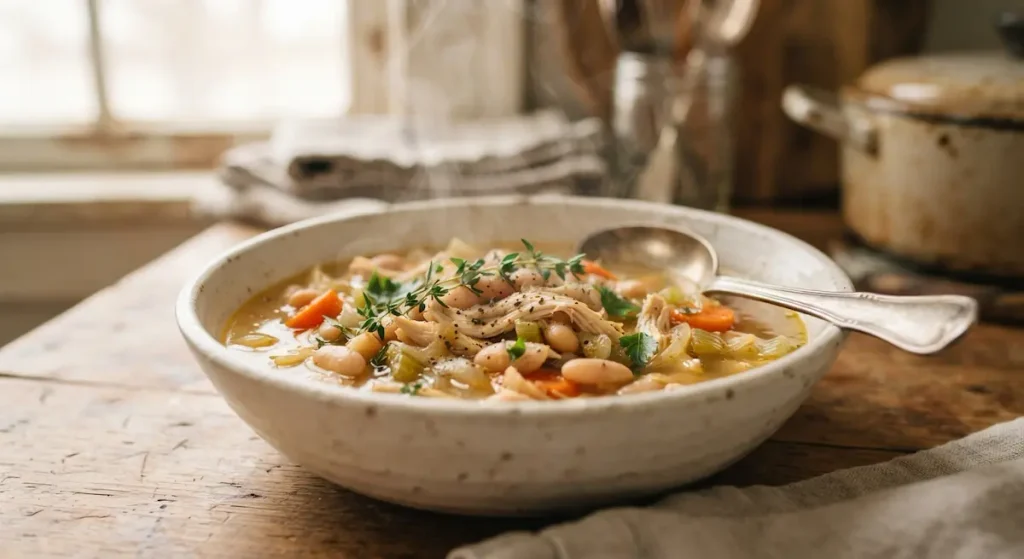
- Build the base. Heat the olive oil in a large pot over medium heat. Add onion, carrots, and celery, and cook for 5–6 minutes until softened. This step develops flavor early so you’ll need less added salt later.
- Add garlic and turmeric. Stir in garlic and turmeric, cooking just 30 seconds until fragrant — garlic turns bitter if it browns too long.
- Brown the chicken. Add cubed chicken breast and sear for 3–4 minutes per side. Searing first, rather than boiling raw chicken in broth, builds deeper flavor without needing extra fat or salt to compensate.
- Add broth and beans. Pour in the low-sodium broth and add the rinsed beans. Bring the mixture to a gentle boil, then lower the heat and let it simmer.
- Simmer. Let the chicken and bean soup simmer uncovered for 20–25 minutes, until the chicken is fully cooked and the vegetables are tender.
- Finish and season. Stir in fresh herbs and black pepper. Taste before adding any salt — the aromatics and simmering time usually carry enough flavor on their own.
Ingredient Swaps
- Lower-sodium version: Use no-salt-added broth and rinse canned beans twice.
- NAFLD-conscious version: Add an extra cup of chopped spinach or kale in the last 5 minutes of cooking, and use a light hand with oil.
- Higher-protein version: Add a third can of beans, or stir in shredded rotisserie chicken breast for extra protein without extra cooking time.
Nutrition Facts (Per Serving, Serves 6)
| Nutrient | Amount |
| Calories | ~280 |
| Protein | ~28g |
| Carbohydrates | ~26g |
| Fiber | ~8g |
| Sugar | ~3g |
| Sodium | ~420mg (with low-sodium broth and rinsed beans) |
Sodium flag: Standard canned beans and regular broth can push sodium well above 700–800mg per serving. If you’re managing liver health, blood pressure, or fluid retention, the low-sodium swaps above aren’t optional extras — they’re the version of this chicken and bean soup worth making.
Who This Recipe Fits
This chicken and bean soup lines up with several dietary patterns at once:
- Liver-friendly
- Low-sodium (with the suggested swaps)
- Heart-healthy
- Anti-inflammatory
- High-protein
- Diabetic-friendly
Frequently Asked Questions
Is chicken and bean soup good for liver health?
Yes — the combination of lean protein, soluble fiber, and anti-inflammatory aromatics aligns with the dietary patterns most consistently associated with better liver outcomes, particularly for people managing or preventing fatty liver disease.
Do I need to cut out all fats to support my liver health?
No, and this is a common myth. Your liver doesn’t need a fat-free diet — it needs less saturated fat and more unsaturated fat. Olive oil, nuts, and fatty fish are actually part of liver-protective eating patterns like the Mediterranean diet. The goal with this chicken and bean soup is swapping saturated fat for lean protein and healthy oils, not eliminating fat altogether.
Can soup really help detox my liver?
Not in the way “detox” marketing implies. Your liver detoxifies itself continuously — no food or juice cleanse does that job for it. What food can do, including this chicken and bean soup, is reduce the burden your liver has to process and supply what it needs to do its job efficiently. That’s support, not a shortcut.
How often should I eat this soup for liver support?
There’s no strict prescription, but working a fiber-and-lean-protein meal like this chicken and bean soup into your rotation a few times a week is a reasonable, sustainable way to support the broader dietary pattern research points to.
Can I freeze this soup?
Yes. This chicken and bean soup freezes well for up to 3 months in an airtight container. The beans may soften slightly on reheating, but the flavor holds up.
A Quick Disclaimer
This article is for general informational purposes and isn’t a substitute for personalized medical advice. If you’ve been diagnosed with fatty liver disease, hepatitis, cirrhosis, or another liver condition, please talk with your healthcare provider before making significant dietary changes.
Conclusion
Your liver doesn’t need a dramatic cleanse — it needs consistent, unglamorous support, meal after meal. This chicken and bean soup is exactly that kind of support: lean protein instead of a heavy load, fiber instead of empty filler, aromatics that calm inflammation instead of fueling it. It’s the kind of bowl that lets your filtration system do what it already does well, without adding sediment to the process.
Make a batch this week, and notice how a meal built around real, unprocessed ingredients feels different the next morning. If this chicken and bean soup becomes part of your regular rotation, I’d love to hear about it — drop a comment below with any swaps you tried, share this recipe with someone who could use a liver-friendly comfort meal, and subscribe to the newsletter for more food-first, medicine-second recipes like this one.
What Readers Think :
There are no reviews yet. Be the first one to write one.