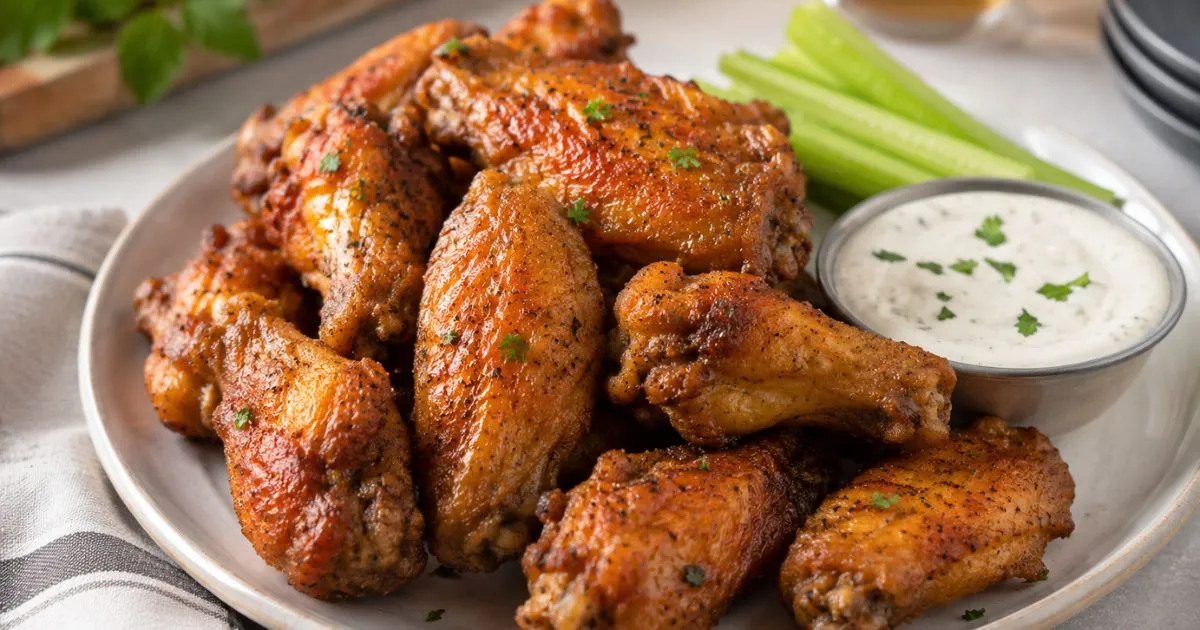
Oven Chicken Wings: 5 Easy Steps
Table of Contents
Game day favorites often rely on heavy oil, but you can enjoy a healthier version at home. Preparing oven chicken wings gives you a delicious, guilt-free alternative to traditional fried chicken wings. You don’t have to give up that signature crunch.
This guide explores the best methods to achieve crispy baked wings right in your kitchen. You’ll learn how to master precise temperatures and ideal cooking times. Plus, we share expert techniques to ensure your baked chicken wings reach the perfect texture every time.
Safety is a top priority when cooking poultry. You’ll learn how to confirm your meal is ready by checking for an internal temperature of 165°F. Follow these simple steps to elevate your next gathering with a crowd-pleasing snack.
Key Takeaways
- Choose healthier preparation methods to reduce excess calories.
- Master specific heat settings for the perfect golden texture.
- Use proper seasoning techniques to enhance natural flavors.
- Always verify food safety by reaching 165°F internally.
- Follow expert tips to achieve a satisfying crunch at home.
These tips will help you make oven chicken wings with crispy skin and juicy meat.
What You Need for Oven Chicken Wings
To make perfect oven chicken wings, you need the right ingredients and tools. Having everything ready makes cooking easier and improves your results.
Choosing Fresh or Frozen Chicken Wings
Choosing the right chicken is the first step to making great oven chicken wings
Fresh chicken wings have less moisture, which helps the skin get crispy faster. They’re ready to season and cook right away after a quick pat-down.
Frozen chicken wings need more care. Thaw them in the fridge completely to cook evenly and avoid steaming the meat instead of roasting it.
Whole Wings, Drumettes, and Flats
Knowing the wing’s parts helps with cooking time. A whole wing has three parts: the drumette, the flat, and the tip.
The drumette is the meaty part, and the flat has two thin bones. Most recipes suggest removing the wing tip to avoid burning and to save on meat.
Essential Equipment for Even Cooking
The right chicken wing equipment is key for a great texture. Good airflow is crucial for that golden, crunchy skin.
Sheet Pan, Wire Rack, and Parchment Options
A heavy-duty sheet pan is essential for stability. A wire rack inside helps with heat circulation and prevents juices from pooling.
Without a wire rack, parchment paper on the sheet pan works well to prevent sticking. But a rack is best for a crispy finish on all sides.
Instant-Read Thermometer and Kitchen Tongs
An instant-read thermometer is crucial for food safety. Always check the thickest part of the wing reaches 165°F.
Sturdy kitchen tongs are needed for flipping the wings. They help avoid piercing the skin and keep juices inside.
| Wing Type | Prep Difficulty | Best Cooking Method |
|---|---|---|
| Whole Wings | High (Requires trimming) | Slow Roast |
| Drumettes | Low (Ready to cook) | High Heat |
| Flats | Low (Ready to cook) | High Heat |
How to Prepare Chicken Wings for the Oven
Getting your oven chicken wings to taste like they’re from a restaurant starts with the right prep. Handling your ingredients well makes the skin crispy and the meat juicy.
Thawing Frozen Wings Safely
Thawing frozen chicken wings safely means putting them in the fridge overnight. This slow thaw keeps the meat safe and stops bacteria from growing.
If you’re short on time, thaw them in cold water. Just change the water every thirty minutes until they’re thawed.
Trimming Tips and Removing Excess Skin
Check your wings for loose skin or jagged bones after thawing. Cutting off excess fat and skin helps them cook evenly and prevents greasiness.
Also, remove the wing tips if they’re still on. These parts burn fast. Kitchen shears make this easy.
Drying the Wings for Better Browning
Drying the wings is key to prepare chicken wings for the oven. Use paper towels to dry them well before adding oil or seasonings.
Moisture stops the skin from crisping up. Dry wings get a golden-brown finish because the heat renders the fat properly.
When to Use Baking Powder and Seasonings
Some people add a bit of baking powder for extra crunch. It changes the skin’s pH, helping it brown faster.
For baking powder wings, mix the powder with your dry spices before baking. Make sure to season each wing evenly for a flavorful bite.
Setting the Best Oven Temperature
Finding the right heat is key to perfect oven chicken wings. The temperature affects the skin’s texture and the meat’s moisture. Knowing how your oven reacts to different temperatures helps you get great results every time.
Choosing Between 400°F, 425°F, and 450°F
The best temperature for chicken wings is between 400°F and 450°F. If you like a slow cook, 400°F is good. For a crispy exterior, 425°F is best. If you want wings fast, 450°F is the way to go.
How Temperature Affects Crispness and Juiciness
Higher heat makes fat render faster, which helps with crispy skin. But, too high heat can burn the outside before the meat is done. Choose the right how long to bake chicken wings in the oven based on temperature. Bigger wings or batches need lower heat to cook evenly without drying out.
| Temperature | Crispness Level | Cooking Speed | Best For |
|---|---|---|---|
| 400°F | Moderate | Slower | Large batches |
| 425°F | High | Medium | Standard wings |
| 450°F | Maximum | Fast | Small, crispy portions |
When to Use a Two-Temperature Cooking Method
At times, wings might not cook through without over-browning. A two-temperature method helps. Start at 350°F to cook the inside, then raise to 425°F or higher for the last ten minutes. This gives a perfectly golden finish.
Preheating the Oven and Positioning the Rack
Always preheat your oven fully before cooking. A cold oven makes the skin rubbery. Place the rack in the center or upper-middle for even heat. This ensures all wings cook the same.
Seasoning and Coating Options for Roast Chicken Wings
Choosing the perfect coating is key to making restaurant-quality wings at home. Whether for a game day snack or a quick dinner, the right seasoning makes a big difference.
Simple Salt, Pepper, and Garlic Seasoning
A classic mix of salt, black pepper, and garlic powder is a great start for roast chicken wings. This blend brings out the meat’s natural flavor without being too strong. You can adjust the mix to your liking, adding more heat or savory taste.
Creating a Crispy Dry Rub
For dry rub chicken wings, you can try many different flavors. Add smoked paprika for color, onion powder for sweetness, or cayenne pepper for spice. Make sure your spices are fresh for the best flavor.
Using Baking Powder Without Adding a Chemical Taste
Baking powder helps make the skin golden and crispy. To avoid a bad taste, use only aluminum-free baking powder and use it sparingly. A light dusting is enough to get a perfectly crisp texture.
When to Add Wet Sauces
Adding liquid coatings at the right time is important. Sugary or wet ingredients can burn or soften the skin. So, apply them in the last few minutes of cooking. This way, the sauce caramelizes well without losing the crunch.
Buffalo Sauce, Barbecue Sauce, and Honey-Based Glazes
You can make your meal special by tossing the wings in your favorite sauce. Here are some popular choices:
- Buffalo wings: Add a classic vinegar-based hot sauce for that signature tangy heat.
- Barbecue chicken wings: Use a thick, molasses-based sauce for a deep, smoky sweetness.
- Honey garlic wings: Combine honey and minced garlic for a sticky, savory-sweet glaze that clings to the skin.
Baking Oven Chicken Wings Step by Step
Getting the perfect texture when you bake chicken wings step by step is simpler than you might think. By sticking to a consistent chicken wing cooking method, you can turn simple ingredients into a top-notch meal at home.
Arrange the Wings Without Crowding the Pan
Proper spacing is key for a successful crispy wing technique. Place your wings in a single layer on your baking sheet or wire rack.
- Leave at least one inch of space between each piece.
- Avoid overlapping, as this traps steam and prevents browning.
- Ensure air can circulate freely around every side of the meat.
Bake the First Side Until the Skin Begins to Brown
Start your timer once the oven reaches the target temperature. Let the wings cook undisturbed until the skin looks golden and feels firm to the touch.
This initial phase allows the fat to render properly. If you move them too early, the skin may tear or stick to the surface.
Turn the Wings for Even Browning
Once the bottom side shows a nice color, use tongs to flip each piece carefully. This ensures that both sides of your oven chicken wings achieve that signature crunch.
Keep a close eye on the color during this stage. You are looking for a uniform, deep golden hue across the entire surface.
Finish Cooking and Apply Sauce
After flipping, continue baking until the wings reach your desired level of crispness. If you plan to use a wet sauce, wait until the final few minutes of cooking to apply it.
Adding sauce too early can soften the skin and ruin the texture. Brush the glaze on lightly to maintain the integrity of the crust.
Checking the Thickest Part of the Meat
Always use a digital meat thermometer to verify doneness. Insert the probe into the thickest part of the wing, making sure to avoid hitting the bone.
The bone can give a false reading, so aim for the center of the meat. This simple step guarantees that your wings are cooked perfectly from edge to edge.
Confirming a Safe Internal Temperature of 165°F
Food safety is essential when preparing poultry. You must confirm that the internal temperature reaches at least 165°F before you remove them from the oven.
- Insert the thermometer into the largest drumette.
- Wait for the display to stabilize.
- Remove the wings immediately once the safe threshold is met.
How Long to Bake Chicken Wings in the Oven
To get restaurant-quality wings, knowing how long to bake chicken wings in the oven is key. General guidelines are a good start, but always check with a meat thermometer. Aim for 165°F to ensure they are safe and delicious.
Cooking Times at 400°F
At 400°F, your chicken wing baking time is about 40 to 50 minutes. This heat cooks the fat slowly, making the meat tender. It’s a good choice if you like a gentle cooking process.
Cooking Times at 425°F
At 425°F, wings bake in 35 to 45 minutes. This temperature is perfect for oven chicken wings because it gives you crispy skin and juicy meat. You’ll see them brown faster than at lower temperatures.
Cooking Times at 450°F
For the crispiest wings, bake at 450°F for 30 to 40 minutes. Watch them closely to avoid burning the skin. This method is great for small batches that need a quick sear.
| Oven Temperature | Estimated Time | Best For |
|---|---|---|
| 400°F | 40–50 Minutes | Even, gentle cooking |
| 425°F | 35–45 Minutes | Balanced texture |
| 450°F | 30–40 Minutes | Extra crispy skin |
Adjusting Time for Wing Size and Quantity
The time needed to bake chicken wings changes based on their size and how many you have. Bigger wings need 5 to 10 more minutes to cook through. Also, don’t overcrowd the baking sheet, as it can make the wings take longer to cook.
How Frozen Wings Change the Cooking Schedule
Frozen wings take longer to cook, adding 10 to 15 minutes to your frozen wing cooking time. They release more moisture as they thaw, which can prevent them from getting crispy. Pat them dry well after they thaw to help them crisp up.
How to Get Extra-Crispy Baked Wings
To get your extra-crispy baked wings just right, you need to control moisture and heat. This ensures your oven chicken wings are as good as any from a pub.
Why Airflow Matters on a Wire Rack
A wire rack chicken wings setup is key for even cooking. It lets hot air get under the wings. This stops the skin from getting soggy from fat and juices.
Preventing Steam From Softening the Skin
Moisture is bad for crispiness. Dry your wings with paper towels before seasoning. Also, don’t overcrowd the pan to avoid steam that softens the skin.
Using the Broiler for a Crisp Final Finish
If your wings are cooked but not crispy, the broiler can help. A quick high heat blast at the end crisps up the skin. This turns pale skin into a golden brown in minutes.
Broiler Safety and Close Monitoring
The broiler is very powerful and can burn food fast. Always watch the wings closely while they’re under the flame. If the edges get too dark, take the pan out right away to avoid burning.
Why Deep-Frying and Oven-Baking Produce Different Results
Oven-baked versus fried wings differ mainly in moisture evaporation speed. Deep-frying dries the skin fast with hot oil. Baking uses dry heat over time. Baking takes longer but can still get you that crunch.
| Feature | Oven-Baked | Deep-Fried |
|---|---|---|
| Texture | Crispy and light | Shatter-crisp and rich |
| Fat Content | Lower | Higher |
| Cleanup | Easy | Difficult |
| Cooking Time | 40-50 minutes | 10-12 minutes |
Common Oven Chicken Wing Problems and Fixes
Fixing your roast chicken wings is easy once you know the common problems. Most issues come from not controlling moisture or heat well. Making a few small changes to your cooking can solve these problems.
Wings That Stay Soft Instead of Crisp
Soft chicken wings usually happen because of trapped steam. Make sure to dry the wings with paper towels before seasoning. Also, don’t overcrowd the pan to prevent steaming instead of roasting.
Skin That Browns Before the Meat Is Done
If the skin gets too dark too fast, your oven might be too hot. Try lowering the oven temperature by 25 degrees. Also, move the rack down to help the heat cook the meat evenly without burning the skin.
Wings That Stick to the Pan or Rack
To avoid wings sticking to the pan, use a wire rack over a baking sheet. This helps with airflow. If you don’t have a rack, use parchment paper and a bit of oil to make removal easy.
Unevenly Cooked Wings
Unevenly cooked wings can happen if your oven has hot spots or if the wings are different sizes. To fix this, rotate the baking sheet halfway through cooking. Use a digital thermometer to check the meat’s temperature in the thickest part.
Overly Salty, Spicy, or Sugary Coatings
Common chicken wing seasoning problems often come from adding glazes too early. Sugary sauces can burn and taste bitter. Here’s how to keep your flavors right:
- Put dry rubs on before baking to let flavors soak into the skin.
- Only add wet, sugary sauces in the last five minutes of cooking.
- Check your dry rub for saltiness before applying.
- Choose high-quality spices for oven chicken wings with great flavor.
Comparing Oven-Baked Wings With Fried Chicken Wings
When you compare oven-baked versus fried chicken wings, you see big differences. Heat affects the skin and meat in different ways. Both methods aim for a crispy outside, but the science behind them is quite different.
How Oven Baking Differs From Deep-Frying
Deep-frying puts the meat in hot oil, creating a quick, intense sear. This locks in moisture. It’s hard to get this exact crunch at home.
Oven chicken wings use hot air to cook the skin slowly. This method takes longer but lets you control crispiness without lots of oil.
How Long to Fry Wings When Using a Deep Fryer
Using a deep fryer, watch the time closely to cook the meat fully. Fry wings at 375°F for 8 to 12 minutes.
The exact fry time depends on wing size and oil temperature. Always check with a meat thermometer to ensure it reaches 165°F for safety.
Choosing the Best Method for Crispness, Cleanup, and Convenience
Choosing depends on what you value most. Here’s a table comparing deep-fried chicken wings and oven-baked ones.
| Feature | Oven-Baked | Deep-Fried |
|---|---|---|
| Oil Usage | Minimal | High |
| Cleanup | Easy | Difficult |
| Batch Size | Large | Small |
| Texture | Crispy/Dry | Very Crunchy |
When Oven-Baked Wings Are the Better Choice
Oven baking is great for big groups. You can cook dozens of fried chicken wings on one sheet.
This method also means no oil to throw away. If you want a clean kitchen and easy cooking, the oven is best.
Serving, Storing, and Reheating Cooked Wings
After baking, the secret to keeping wings crunchy is in the handling. You might know how long to bake chicken wings in the oven for perfection. But, the last steps are key to keeping every bite tasty. Managing temperature and moisture is crucial.
Best Dips, Sauces, and Side Dishes
The right sides can make your oven chicken wings even better. Try creamy blue cheese or zesty ranch dressing for a cool contrast. For balance, serve sides like crunchy celery and carrot sticks, pickled red onions, or garlic bread.
- Crunchy celery and carrot sticks for a fresh, crisp texture.
- Pickled red onions or jalapeños to cut through the fat.
- Garlic bread or toasted crostini to soak up extra sauce.
Serving Wings While the Skin Is Crisp
Timing is key when serving your wings. Steam can soften the skin if it’s not served right away. Serve your wings immediately for the best texture. If you must wait, use a wire rack to keep air circulating.
Refrigerating and Freezing Leftovers Safely
For leftovers, store cooked wings safely to keep them fresh. Cool them down before storing in an airtight container. Refrigerate for up to three days or freeze for two months. Always label containers with the date.
Reheating Wings Without Making Them Soggy
Reheating wings can be tricky, especially avoiding a soggy texture. Skip the microwave and use high-heat methods instead. This will help restore the wings’ original crispiness.
| Method | Temperature | Estimated Time |
|---|---|---|
| Oven | 400°F | 10-12 Minutes |
| Air Fryer | 380°F | 6-8 Minutes |
| Toaster Oven | 400°F | 10 Minutes |
These methods ensure the wings stay crispy. Place them in a single layer for even heating.
Conclusion
Getting the perfect bite is all about paying attention to every step in your cooking. Whether you like oven chicken wings or the crispy fried kind, it’s all about how well you prepare and control the temperature.
You now know how to make a great chicken wing recipe at home. Make sure to dry your wings well and use a wire rack for better airflow. These steps will help you make crispy baked wings that are as good as any restaurant’s.
Always check that your meat hits 165°F for safety. If you’re deep frying, knowing how long to fry is key to avoiding greasy wings. Now, you can choose between baking and frying based on what you prefer.
Don’t add your favorite sauces until the skin is crispy. This way, your wings stay flavorful and the meat stays juicy. Have fun trying out different seasonings and cooking methods to find your favorite way to enjoy this tasty dish.
FAQ
How long to bake chicken wings in the oven for the best results?
The baking time varies based on temperature and wing size. At 400°F, bake for 45 to 50 minutes. For 425°F, it’s 35 to 45 minutes. At 450°F, they crisp up in 30 to 35 minutes. Always check with a ThermoPro thermometer for a safe 165°F internal temperature.
How long to fry wings if I choose deep-frying over baking?
Deep-frying at 375°F is quicker than baking. It takes 8 to 12 minutes for golden, fully cooked wings. Many prefer baking for easier cleanup and cooking in bulk.
Why is my oven-baked chicken wing skin not getting crispy?
Moisture or poor airflow can cause soft skin. Dry wings with paper towels before seasoning. Use a wire rack for better air circulation. A bit of Clabber Girl baking powder can also help crisp the skin.
At what internal temperature are chicken wings considered safe to eat?
Chicken wings must hit 165°F to be safe, as per USDA. Use a thermometer to check the thickest part of the meat, avoiding the bone.
When should I add wet sauces like Buffalo or BBQ sauce?
Add wet sauces like Frank’s RedHot or Sweet Baby Ray’s BBQ Sauce in the last 5 to 10 minutes. This prevents burnt skin or a soggy texture. Tossing wings in sauce right after baking also works well for crunch.
Can I cook chicken wings in the oven directly from the freezer?
Yes, but frozen wings take longer. Add 10 to 15 minutes to the baking time. Thawing wings in the fridge overnight improves flavor and texture.
Is it better to use the oven or a deep fryer for chicken wings?
It’s a matter of preference. Fried wings are crunchy and quick. Oven-baked wings are healthier and easier to clean up. The right oven techniques can match deep fryer results.
What is the best way to reheat leftover roast chicken wings?
Avoid microwaving to prevent sogginess. Reheat in an air fryer at 375°F for 5 minutes or in a conventional oven at 350°F for 10 minutes. This method keeps the wings crispy and meat juicy.