
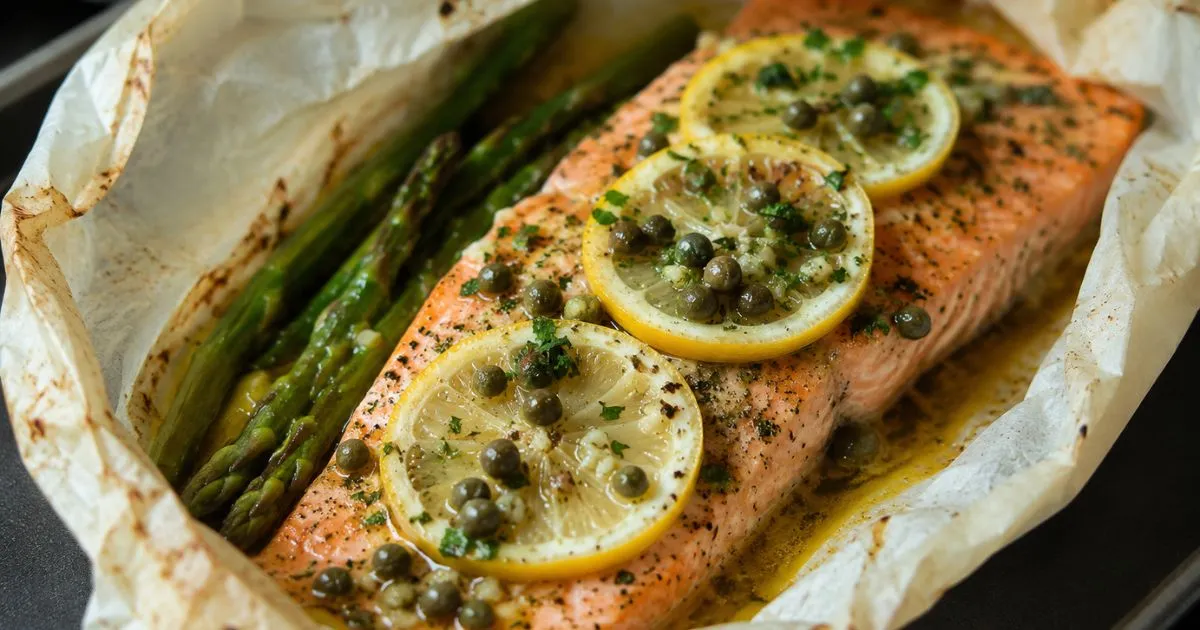
Salmon in Parchment Paper: 7 Easy Tips
Table of Contents
Cooking a healthy dinner doesn’t have to be hard. If you want a moist and flavorful meal with little cleanup, try salmon en papillote. This French method seals your food in a pouch to keep juices and smells inside.
Using salmon in parchment paper makes cooking easy and perfect every time. Just layer your fish with veggies, herbs, and a bit of citrus, then bake. This guide shows you how to fold your packets and check if they’re done.
You’ll also get tips on serving and storing leftovers. Whether you’re a busy cook or new to the kitchen, this reliable approach makes dinner easy and enjoyable.
Key Takeaways
- Master the art of steaming fish inside sealed pouches.
- Enjoy a nutritious meal with minimal kitchen cleanup.
- Learn how to select simple, fresh ingredients for maximum flavor.
- Follow precise timing to ensure your protein stays tender.
- Discover versatile serving ideas for a complete dinner.
- Understand proper storage methods for your cooked leftovers.
What Makes Salmon in Parchment Paper Tender and Flavorful
This cooking method is special because it turns your meal into a mini oven. When you cook salmon in parchment paper, you make a space that keeps moisture and heat in.
How the parchment packet traps steam
As the packet warms up, the liquid inside starts to turn into steam. Since the paper is tightly folded, this steam can’t get out.
The steam then wraps around the fish, making sure it cooks evenly. This gentle steaming makes the fish soft and tender.
Why this method prevents dry salmon
Roasting can dry out fish because of the harsh heat. But this method keeps the fish moist by trapping its juices and any added flavors.
These juices mix with butter, lemon, or herbs, creating a rich flavor. Your salmon cooked in parchment paper stays juicy because it’s constantly bathed in its own juices.
When to choose parchment paper over foil
Parchment paper is better for some recipes because it’s non-reactive. It won’t give your food a metallic taste, especially with acidic ingredients like lemon or wine.
Parchment also makes your dish look great when served. Salmon cooked in parchment paper is easy to open without tearing or sharp edges.
Remember to keep your parchment packets away from direct heat or flames to avoid burning. With safety and proper folding, you’ll get a perfectly cooked, restaurant-quality meal every time.
Ingredients and Equipment for Salmon in Parchment Paper
Your success with salmon in parchment paper recipes starts with the right ingredients and tools. The best components ensure your fish cooks evenly. They also keep moisture and flavor locked in.
Choosing fresh or frozen salmon fillets
Ideal fillet thickness and portion size
For the best results, aim for fillets that are roughly one inch thick. This thickness helps the fish and vegetables cook at the same rate. A standard portion size is four to six ounces per person.
How to thaw frozen salmon safely
If you use frozen fish, thaw it completely before cooking. The safest method is to thaw it in the refrigerator overnight. Avoid thawing at room temperature to prevent uneven textures and safety concerns.
Essential seasonings, aromatics, and vegetables
Freshness is key when selecting your aromatics. Thinly sliced lemons, fresh dill, parsley, or cilantro add bright notes to your salmon in parchment paper recipes. Choose vegetables like asparagus spears, thinly sliced zucchini, or cherry tomatoes. They should cook quickly so they’re tender when the fish is done.
Parchment paper, baking sheet, and other useful tools
You’ll need a sturdy baking sheet to support your packets in the oven. Keep sharp kitchen shears nearby to trim the paper edges. An instant-read thermometer is also highly recommended. It helps verify that the salmon’s internal temperature reaches 145°F.
How much parchment paper you need per packet
Each fillet needs a piece of parchment paper about 15 inches long. This size allows for a tight seal that traps steam effectively.
| Category | Item | Purpose |
|---|---|---|
| Protein | Salmon Fillet | Main dish, 4-6 oz |
| Aromatics | Lemon/Herbs | Flavor infusion |
| Vegetables | Asparagus/Zucchini | Side dish pairing |
| Tools | Parchment Paper | Steam containment |
| Safety | Thermometer | Check doneness |
Preparing the Parchment Packets Before Cooking
Learning to fold parchment paper for individual portions can boost your kitchen skills. It ensures your salmon in baking paper stays moist and flavorful.
Cutting and folding parchment for individual servings
Begin by tearing a large sheet of parchment paper, about 15 inches long, for each fillet. Fold it in half to make a crease, then unfold it. This will show a clear center line.
Place your seasoned fish on one side of the crease, leaving two inches of space around it. This space is for sealing the packet properly.
Creating a secure half-moon packet
To make the packet, fold the empty half of the paper over the fish. Start at one corner, making small, overlapping folds along the curved edge. This will form a half-moon shape.
Keep crimping the edges as you go around the packet. Make sure the seal is tight to keep juices inside.
Preventing leaks and leaving room for steam
A tight seal is key, but don’t forget to leave space for steam. If the packet is too small, it might tear and dry out your salmon in baking paper. A good packet should puff up a bit as it steams.
Why parchment should not touch an oven heating element
Always put your packets on a sturdy baking sheet, not directly on the oven rack. Parchment paper can scorch or catch fire if it touches the heating elements. This keeps your cooking safe and controlled.
| Packet Feature | Purpose | Best Practice |
|---|---|---|
| Overlapping Folds | Prevents leaks | Crimp firmly |
| Internal Space | Steam expansion | Avoid overstuffing |
| Rounded Edges | Structural integrity | Trim excess paper |
Assembling Salmon Cooked in Parchment Paper
Making the perfect packet is key to getting restaurant-quality food at home. When you make salmon in parchment paper, the assembly is where you add layers of flavor. These flavors will steam together beautifully.
Drying and seasoning the salmon fillets
Start by drying your fish fillets with a paper towel until they’re dry. This helps your seasonings stick to the fish. It also prevents the paper from tearing by avoiding liquid at the bottom.
Layering vegetables and aromatics under the fish
Put your sliced veggies, like zucchini or carrots, on the parchment’s center. They create a flavorful bed for the fish. This way, they cook evenly and add their juices to the salmon.
Adding lemon, herbs, butter, oil, or sauce
After placing the fish, add your aromatics and fats. A bit of butter or olive oil adds richness. Fresh herbs like dill or parsley add a bright finish. Keep the amounts small to keep the flavors balanced.
Sealing each packet tightly without crushing the ingredients
Fold the paper’s edges in small pleats to seal it. This traps the steam but doesn’t crush the ingredients. When done, the salmon cooked in parchment paper should have enough room for heat to circulate.
| Ingredient Type | Purpose | Recommended Amount |
|---|---|---|
| Aromatics | Flavor infusion | 1-2 tablespoons |
| Healthy Fats | Moisture and richness | 1 teaspoon |
| Citrus | Acidity and brightness | 2 thin slices |
| Fresh Herbs | Aromatic depth | 1 sprig |
Baking Salmon en Papillote for Even Results
Getting the heat right is key to perfect salmon en papillote. It turns simple ingredients into a fancy meal. This is because the steam moves well inside the paper.
Preheating the oven and positioning the packets
Start with a hot oven to cook right away. Put your packets on a single layer baking sheet. This helps the heat spread evenly.
Don’t stack the packets. It stops the hot air from reaching the middle. Spacing them out ensures even cooking.
Recommended baking temperature and general timing
Most salmon en papillote recipes work best at 400°F (200°C). It steams the fish gently and releases the flavors.
- Standard fillets: 12 to 15 minutes.
- Thicker cuts: 15 to 18 minutes.
- Partially frozen fillets: Add 3 to 5 minutes.
Adjusting the cooking time for thick or thin fillets
Change the cooking time based on the fish’s thickness. Thicker fish takes longer to cook through. Thinner fish cooks fast.
For dense veggies like potatoes, slice them thin. This way, they cook as fast as the fish. Patience is key for thicker cuts to get them just right.
Checking the packets without releasing too much steam
Don’t open the oven door too often. Each time, the temperature drops. This messes up the steam cooking.
“Cooking is at once child’s play and adult joy. And cooking done with care is an act of love.” — Craig Claiborne
Resting and opening the packets safely
After taking the tray out, let it rest for 2 to 3 minutes. This lets the juices spread evenly in the fish.
How to avoid burns from escaping steam
When ready to serve, cut the top of the parchment with kitchen shears. Always open the packet away from your face and hands to avoid burns.
The steam inside is much hotter than your kitchen air. Opening the paper carefully makes sure everyone enjoys their meal safely.
How to Tell When Salmon in Baking Paper Is Done
Knowing when your fish is perfectly cooked is key to making great salmon in parchment paper recipes. Since fillets can vary in thickness, just using a timer might not work. A reliable tool helps keep your meal tender and juicy every time.
Using an instant-read thermometer
An instant-read thermometer is the most consistent way to check your fish. Just put the probe through the paper into the thickest part of the fillet. This method makes sure you get it right, especially when cooking different sizes.
Temperature targets for different preferences
The internal temperature of your salmon affects the final texture. Most chefs say to take the fish out of the oven when it hits these temperatures:
| Doneness Level | Internal Temperature | Texture Description |
|---|---|---|
| Rare | 120°F – 125°F | Very soft and translucent |
| Medium | 130°F – 135°F | Flaky, moist, and opaque |
| Well Done | 145°F+ | Firm and fully opaque |
Recognizing visual signs of doneness
If you don’t have a thermometer, look for visual cues. The flesh should turn from a translucent pink to a solid, opaque color all over. Gently press the top of the fillet; if it flakes easily, it’s ready.
Understanding carryover cooking inside the packet
The fish will continue to cook a bit after you take it out of the oven. The steam inside the parchment keeps it warm. It’s best to remove the packets when the temperature is about five degrees below your target to avoid overcooking.
What to do if the salmon is undercooked or overcooked
If your fish is a bit undercooked, just reseal the parchment and cook it for two more minutes. This is a common trick in many salmon in parchment paper recipes to ensure it’s safe and tasty. If it’s overcooked, try adding a drizzle of lemon butter or a fresh herb sauce to add moisture.
Salmon in Parchment Paper Recipes to Try
Try these salmon in parchment paper recipes to spice up your dinner. This method keeps your fish moist and flavorful. It makes sure your fish stays tender and absorbs all the delicious aromas.
Lemon-dill salmon with asparagus
This mix is a classic. It uses lemon for a bright taste and asparagus for a crunchy texture. The dill adds a delicate touch that goes well with the fish’s natural flavor.
Garlic butter salmon with green beans and cherry tomatoes
For a cozy meal, try it with green beans and cherry tomatoes. A bit of garlic butter melts and makes a tasty sauce for the veggies.
Mediterranean salmon with olives, tomatoes, and feta
Add kalamata olives and feta for a salty kick. These ingredients give your dish a sophisticated taste that goes great with the salmon.
Asian-inspired salmon with soy sauce, ginger, and scallions
For a fragrant dish, add ginger and scallions. A little soy sauce adds depth, making it a favorite for quick dinners.
Spicy salmon with chili, lime, and cilantro
For some heat, top it with chili and lime. Finish with cilantro for a vibrant aroma that balances the salmon’s richness.
How to balance sauces so the packets do not become watery
Use sauces wisely to avoid watery packets. Too much liquid can mess up your flavors and make veggies soggy.
- Measure your liquids: Use only one or two tablespoons of sauce per packet.
- Dry your ingredients: Pat your fish and veggies dry before adding them to the paper.
- Focus on aromatics: Use herbs, citrus, and spices for flavor instead of heavy broths.
Serving, Storing, and Troubleshooting Your Parchment-Baked Salmon
When your timer goes off, knowing how to serve and store your meal is key. This ensures your salmon in parchment paper recipes stays delicious. Handling it right after cooking makes a big difference.
Serving the salmon directly in its parchment packet
This cooking method is all about presentation. Serving the fish in its sealed pouch keeps the steam and juices inside until the end.
Put each packet on a plate and let your guests open them at the table. This dramatic reveal releases a burst of fragrant steam, enhancing the dining experience.
Pairing the fish with grains, vegetables, and fresh salads
The fish cooks in its own sauce, making it perfect with sides that soak up flavors. Try it with fluffy quinoa, jasmine rice, or crusty sourdough bread.
For a lighter meal, pair it with a crisp arugula salad and lemon vinaigrette. Roasted root vegetables are great for a heartier option.
Cooling and storing leftover salmon safely
If you have leftovers, let them cool at room temperature for thirty minutes. Then, move the fish and juices to an airtight container to keep it fresh.
Keep your salmon in the fridge for up to two days. Make sure the container is sealed well to prevent odors.
Reheating leftovers without drying them out
To reheat, avoid the microwave to prevent rubbery fish. Instead, place the salmon in a small dish and cover it with foil.
Warm it in a low-temperature oven at 275°F until just heated through. This method keeps the fish moist and flavorful.
Solving common problems with salmon in parchment paper recipes
Even experienced cooks face minor issues with this technique. Knowing how to adjust your process ensures great results every time.
Watery vegetables and diluted flavor
Watery vegetables can dilute the seasoning. To fix this, sauté your vegetables briefly before adding them to the packet to remove excess moisture.
Sticking fish and torn parchment
Fish sticks if the parchment isn’t greased or if the skin is left on. Always use skinless fillets and lightly brush the paper with olive oil or butter before placing the fish down.
Unevenly cooked fillets
Inconsistent fillet thickness causes uneven cooking. Use a meat mallet to gently pound the thickest part of the salmon to match the thinner edges before sealing.
| Common Issue | Primary Cause | Best Solution |
|---|---|---|
| Soggy Vegetables | High water content | Pre-sauté vegetables |
| Torn Paper | Sharp edges/bones | Remove pin bones |
| Dry Fish | Overcooking | Use a thermometer |
| Sticking | Lack of fat | Oil the parchment |
Conclusion
Cooking salmon in parchment paper makes a simple meal feel like a gourmet treat. This method uses steam to gently cook the fish. This keeps every bite moist and tender.
To get great results, balance your seasonings well. Also, seal the parchment paper edges tightly. This creates a flavorful, juicy dish that’s perfect for salmon in parchment paper.
Make sure to adjust your baking time based on the fish’s thickness. Use an instant-read thermometer to check if the fish is cooked to your liking. This step makes cooking easier and more precise.
Don’t be afraid to try new things like adding seasonal veggies, fresh herbs, and bold sauces. You can serve your salmon with quinoa, roasted potatoes, or a fresh salad. This way, you can make your meal both healthy and delicious, turning this method into a favorite in your kitchen.
FAQ
Why is salmon en papillote considered a superior cooking method for beginners?
This French technique, “in paper,” is easy because it uses steam, not direct heat. When you cook salmon in parchment paper, it stays moist. This method also makes the fish taste better, thanks to herbs or Mezzetta capers.
How do you prevent salmon in baking paper from sticking to the bottom?
To prevent sticking, lightly coat the parchment with Bertolli olive oil or melted butter. You can also use lemon slices or Green Giant asparagus as a buffer. This adds flavor and prevents sticking.
What is the best way to fold the packets for salmon in parchment paper recipes?
Use the half-moon fold. Cut Reynolds Kitchens parchment into a heart or oval. Place your ingredients on one side, then fold and crimp the edges. This traps steam for a great salmon en papillote.
How long should you bake salmon cooked in parchment paper to reach the perfect temperature?
Bake 6-ounce fillets at 400°F for 12 to 15 minutes. Use a ThermoWorks Thermapen to check the temperature. Aim for 125°F to 130°F for medium-rare or 145°F for well-done.
Can you use frozen fish for salmon in baking paper, or must it be fresh?
Frozen fillets work, but thaw them first. Thaw in the fridge or cold water. Pat dry with a Bounty paper towel to avoid moisture issues.
Why should you choose parchment paper over aluminum foil for these recipes?
Parchment is better for health and looks. It won’t make acidic ingredients taste metallic. Plus, it makes a beautiful presentation that you can serve directly.
How do you avoid common mistakes when making salmon in parchment paper recipes?
Avoid using too much water in vegetables to prevent a watery dish. Use moderate amounts and avoid heavy sauces. Also, make sure the salmon in baking paper doesn’t touch the oven’s heating elements.
What are the best sides to pair with salmon cooked in parchment paper?
Pair it with grains that soak up juices. Try RiceSelect jasmine rice, quinoa pilaf, or a green salad. The salmon en papillote method already includes vegetables, making it a complete meal.