How to Bake Salmon Fillets in the Oven: 7 Easy & Delicious Tips
Table of Contents
There are evenings when you want something delicious, healthy, and satisfying, but you don’t want to spend an hour standing over the stove. That’s where a good baked salmon recipe can make all the difference. With a few simple ingredients and the right oven temperature, you can put a flavorful dinner on the table with very little effort.
If you’ve ever wondered how to bake salmon fillets without ending up with dry, bland fish, you’re in the right place. You only need to pay attention to a few important details: the thickness of your salmon, the oven temperature, and the cooking time.
From seasoning your salmon to choosing the ideal oven temperature and baking time, this guide walks you through everything you need to get tender, flaky fillets every time. You’ll also find simple variations and serving ideas so you can make this recipe your own.
Why You’ll Love This Baked Salmon Recipe
Baking brings out the rich, savory flavor of salmon while keeping the cooking process wonderfully simple. With just a handful of everyday ingredients and no special equipment, you can have a satisfying meal ready for the oven in minutes.
Here’s why this recipe works so well:
- It’s quick: You can have dinner ready in around 20–30 minutes.
- It’s simple: Most of the preparation involves seasoning the salmon and putting it in the oven.
- It’s versatile: You can change the herbs, spices, and sauces according to your taste.
- It’s nutritious: Salmon provides high-quality protein and is naturally rich in omega-3 fatty acids.
- It’s easy to pair: Serve your baked salmon alongside roasted vegetables, fluffy rice, tender potatoes, quinoa, or a crisp salad for a well-rounded meal.
.
The key is avoiding overcooking. Salmon doesn’t need much time in the oven, particularly when you’re working with thinner fillets.
Ingredients for Baked Salmon Fillets
You don’t need an elaborate blend of spices to make your salmon delicious; a few well-chosen seasonings are enough to bring out its natural flavor.
Ingredient Table
| Ingredient | Amount | Purpose |
| Salmon fillets | 4 | Main protein |
| Olive oil | 1–2 tablespoons | Helps keep the surface moist |
| Fresh lemon | 1 | Adds brightness |
| Garlic | 2–3 cloves | Adds savory flavor |
| Fresh dill or parsley | 1–2 tablespoons | Adds fresh herbal flavor |
| Salt | To taste | Enhances the salmon |
| Black pepper | To taste | Adds mild spice |
| Paprika | ½ teaspoon | Adds color and subtle warmth |
You can also add Dijon mustard, honey, chili flakes, or your favorite dried herbs if you’d like to change the flavor.
Choosing the Best Salmon Fillets
When choosing your salmon, opt for fillets that look fresh, have a firm texture, and are evenly thick so they cook more consistently in the oven.
The thickness matters because it directly affects the cooking time.
You can prepare the salmon with either the skin left on or removed.If you’re using skin-on salmon, arrange each fillet skin-side down on the baking sheet. This position helps shield the delicate flesh from the hot surface while the salmon cooks, making it easier to keep the inside moist and tender.
Frozen salmon can also work, but thawing it properly before cooking generally makes it easier to season and cook evenly.
How to Bake Salmon Fillets Step by Step
Once you have your ingredients ready, the actual process is surprisingly straightforward.
Step 1: Preheat Your Oven
Preheat your oven to 400°F (200°C).
Make sure the oven is fully preheated before adding the salmon, as this helps it cook evenly from the start.
. Putting the fillets into a cold or only partially heated oven can make the cooking process less predictable.
Line a baking sheet with parchment paper or lightly grease a baking dish to make cleanup easier.
Step 2: Prepare the Salmon Fillets
Pat the salmon dry with paper towels. Patting the salmon dry removes excess moisture, allowing the seasoning to adhere better to the surface.
Arrange the fillets on the prepared baking sheet, making sure to leave a little room between each one.
Drizzle the salmon with olive oil, then season with salt and black pepper. For extra flavor, mix in minced garlic, a squeeze of lemon juice or some zest, and a handful of fresh herbs.
You don’t need to cover the salmon with a thick layer of seasoning. Salmon already has a naturally rich flavor, so simple ingredients can go a long way.
Step 3: Bake the Salmon
Transfer the baking sheet to the preheated oven.
At 400°F (200°C), many salmon fillets will take approximately 12–20 minutes, depending largely on their thickness.
Begin checking the salmon toward the shorter end of the recommended cooking time instead of leaving it in the oven for the full duration.
Step 4: Check for Doneness
For the most accurate results, check the salmon’s internal temperature with an instant-read thermometer.
Place the thermometer in the thickest section of the salmon fillet. For food-safety guidance, follow the USDA recommendation for fish, which is 145°F (63°C).
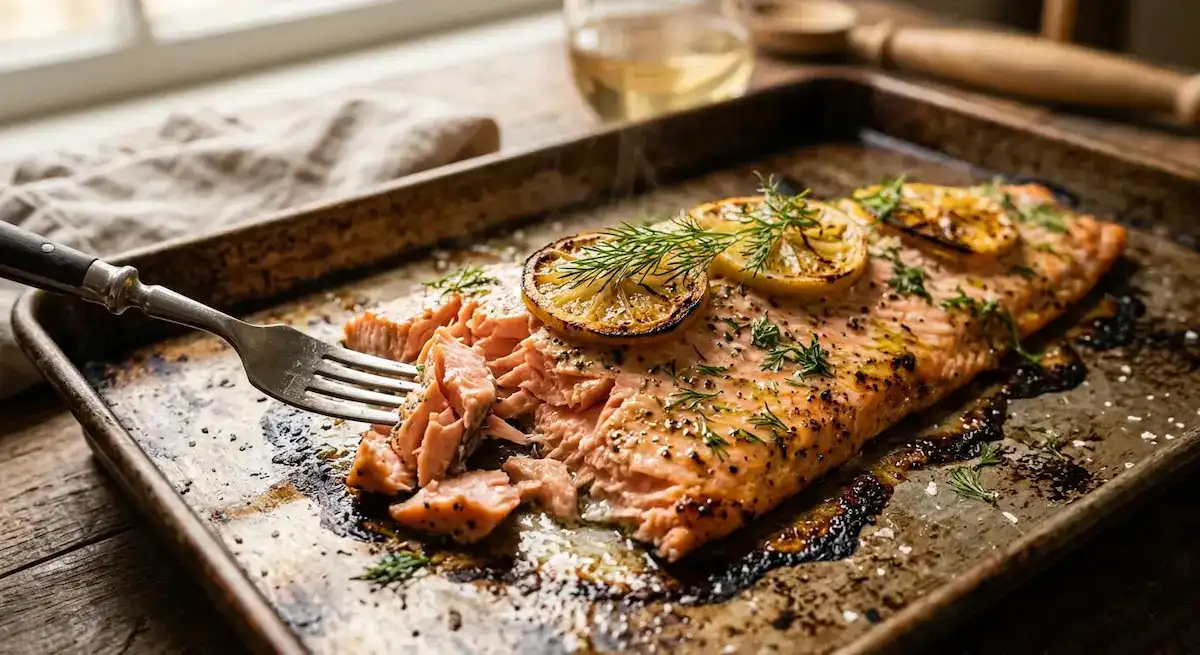
You can also check the texture. Properly cooked salmon should look opaque and should flake easily when gently pressed with a fork.
Remember that the center of the fillet continues cooking slightly after you remove it from the oven, so avoid unnecessary extra cooking.
What Temp to Cook Salmon in Oven?
If you’re asking what temp to cook salmon in oven, you have several options.
A temperature of 400°F (200°C) is a useful middle ground because it cooks salmon efficiently without requiring an extremely high oven temperature.
Here’s a simple comparison:
| Oven Temperature | Approximate Effect | Good For |
| 375°F / 190°C | Gentler cooking | Thick fillets |
| 400°F / 200°C | Balanced cooking | Most everyday salmon recipes |
| 425°F / 220°C | Faster cooking and more browning | Thin fillets or a more roasted finish |
The most important thing isn’t simply choosing one temperature. Keep in mind that the thickness of your salmon also affects the cooking time.
A thin fillet can become dry at the same temperature that works perfectly for a much thicker piece.
How Long Do You Bake Salmon For?
The answer depends mainly on the thickness of your fillet.
At 400°F (200°C), you can use this as a general starting point:
| Salmon Fillet Thickness | Approximate Cooking Time |
| Thin | 8–12 minutes |
| Medium | 12–15 minutes |
| Thick | 15–20+ minutes |
These times are estimates rather than strict rules. Your oven, the starting temperature of the fish, and the exact thickness of the fillet can all change the cooking time.
If you’re wondering how long do you bake salmon for, don’t rely on the clock alone. Begin checking the salmon before the upper end of the estimated range.
How to Know When Salmon Is Done
You have several signs to look for:
- The flesh becomes opaque.
- The salmon flakes easily with a fork.
- The center is no longer raw.
- The thickest part reaches the appropriate food-safe internal temperature.
For the most reliable result, use a food thermometer rather than judging the fish solely by color.
Tips for Perfect Salmon Fillets in the Oven
Even a simple recipe can go wrong if you overlook a few small details.
Avoid Dry Salmon
The biggest mistake you can make is leaving salmon in the oven too long.
Because fillets vary in thickness, two pieces placed on the same baking tray may finish at different times. Check the thinner pieces first.
Before baking, you can lightly coat the salmon with a little olive oil.
This won’t prevent overcooking, but it can help create a more appealing surface and carry the flavors of your seasonings.
Keep the Flavor Simple
You don’t need a complicated marinade to make good roasted salmon.
Try combining:
- Lemon juice
- Fresh garlic
- Olive oil
- Dill
- Black pepper
- A small amount of paprika
For a sweeter version, combine honey with garlic, lemon juice, and a little low-sodium soy sauce.
Should You Bake Salmon With the Skin On?
Yes, you can.
Place the salmon skin-side down on the baking sheet. The skin helps create a barrier between the flesh and the hot surface.
If you don’t enjoy eating the skin, you can easily remove it after cooking. It often separates from the cooked flesh more easily than it does before baking.
Easy Variations of This Baked Salmon Recipe
Once you know how to bake salmon fillets, you can experiment with different flavors without changing the basic technique.
Lemon Garlic Salmon
For a fresh and simple variation, combine:
- Olive oil
- Fresh lemon juice
- Minced garlic
- Dill
- Black pepper
Spoon the mixture over the salmon before baking.
Honey Garlic Salmon
If you prefer a sweet-and-savory flavor, make a quick glaze using:
- Honey
- Garlic
- Lemon juice
- Low-sodium soy sauce
Brush a thin layer over the salmon before it goes into the oven.
Because honey contains sugar, keep an eye on the surface as it cooks so the glaze doesn’t become too dark.
Mediterranean Salmon
Give your salmon a Mediterranean-style twist by adding:
- Cherry tomatoes
- Garlic
- Lemon
- Olive oil
- Parsley
- Olives
You can roast the vegetables alongside the salmon for an easy one-pan meal.
Herb-Crusted Salmon
For a little texture, combine breadcrumbs with chopped parsley, garlic, lemon zest, and olive oil.
Press the mixture gently over the top of each salmon fillet before baking.
What to Serve With Salmon Fillets
A good salmon dinner doesn’t need complicated side dishes.
Healthy Side Dishes
Try serving your salmon fillet in the oven with:
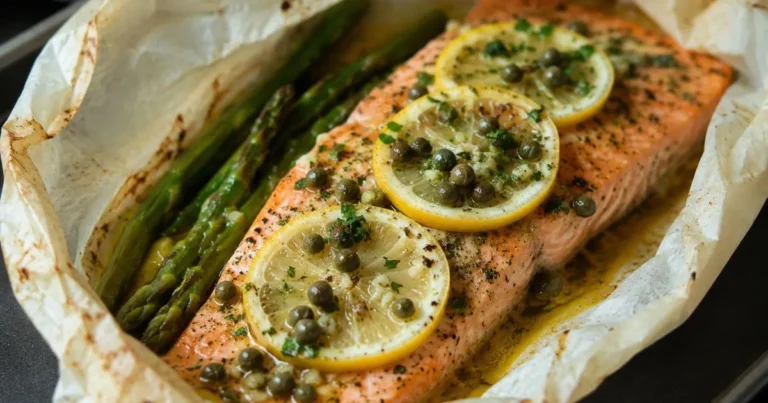
- Roasted asparagus
- Steamed broccoli
- Green beans
- Roasted potatoes
- Brown rice
- Quinoa
- Couscous
- Mixed green salad
For a lighter meal, pair salmon with roasted vegetables and a simple lemon dressing.
If you’re looking for something more filling, brown rice, quinoa, or roasted potatoes make excellent choices.
Easy Sauce Ideas
For an extra burst of flavor, you can serve the salmon with your favorite sauce on the side.
- Lemon yogurt sauce
- Dill sauce
- Tzatziki
- Garlic herb sauce
- Light lemon butter sauce
Keep the sauce separate if you’re cooking for different tastes. This allows everyone to choose how much sauce they want.
How to Store and Reheat Baked Salmon
If you have leftovers, allow the salmon to cool appropriately and refrigerate it promptly in an airtight container.
For food-safety storage times, follow current USDA guidance for cooked fish and seafood.
How to Reheat Salmon Without Drying It Out
Reheating salmon too aggressively can make it tough.
Use moderate heat and avoid leaving it in the oven longer than necessary. Covering the salmon can help retain moisture, and adding a small splash of water or lemon juice can help keep the surface from becoming overly dry.
You can also enjoy leftover cold salmon in salads, wraps, grain bowls, or sandwiches.
Common Mistakes When Baking Salmon
Baking Without Preheating
A properly preheated oven gives you a more predictable cooking environment.
Ignoring Fillet Thickness
Thickness is often more useful than weight when estimating how quickly salmon will cook.
Overcooking the Fish
Don’t assume that another five or ten minutes will make the salmon better. Extra cooking can quickly turn a moist fillet into a dry one.
Not Checking the Thickest Part
If you’re using a thermometer, insert it into the thickest section of the fillet. That’s usually the last part to finish cooking.
Using Too Much Seasoning
Heavy seasoning can overpower the natural flavor of salmon.Use a little at first, then add more at the table if necessary.
Frequently Asked Questions About How to Bake Salmon Fillets
How to bake salmon fillets in the oven?
To bake salmon fillets, preheat your oven to 400°F (200°C), pat the salmon dry, season it with olive oil, salt, pepper, lemon, garlic, and herbs, then bake until it reaches the appropriate internal temperature and flakes easily. Cooking time generally depends on the thickness of the fillets.
What temp to cook salmon in oven?
For a straightforward baked salmon recipe, 400°F (200°C) is a practical starting temperature. You can use a lower temperature for gentler cooking or a higher temperature when you want faster cooking and more surface browning.
How long do you bake salmon for?
At 400°F (200°C), salmon commonly takes around 8–20+ minutes, depending on thickness. Thin fillets cook faster, while thick pieces require more time. Use a food thermometer for the most reliable indication of doneness.
Should you cover salmon when baking?
You don’t have to cover salmon. Leaving it uncovered allows the surface to roast and brown. Covering can be useful when you’re trying to retain more moisture, particularly with certain preparations.
Can you bake frozen salmon fillets?
You can cook salmon from frozen, although it will generally require additional cooking time. For the most consistent seasoning and cooking, thawing the salmon properly beforehand is often easier.
How do you keep baked salmon from drying out?
The best approach is to avoid overcooking it. Use the cooking time as a guide, consider the thickness of your fillet, and check the internal temperature near the end of cooking.
Is baked salmon healthy?
Salmon is a nutrient-dense food that provides protein and omega-3 fatty acids. The overall nutritional value of your meal also depends on the ingredients and side dishes you choose. Using moderate amounts of oil and serving salmon with vegetables can help you build a balanced meal.
Conclusion: Make Tender Baked Salmon Your Easy Dinner Go-To
Learning how to bake salmon fillets ffves you a reliable option for those nights when you want something nutritious without complicated preparation.
Start with a good-quality fillet, season it simply, and bake it at around 400°F (200°C). Keep an eye on the thickness and begin checking for doneness before you reach the maximum estimated cooking time.
Once you’ve mastered the basic method, you can switch between lemon garlic, honey garlic, Mediterranean, and herb-crusted variations whenever you want a different flavor.
Now it’s your turn: choose your favorite salmon fillet, add a few fresh ingredients, and give this oven-baked method a try. Save this recipe for your next easy dinner and share your favorite salmon seasoning in the comments.